
Google's November 2026 core update: what to do

Google started its core update on November 10, 2026. What it is, how long to wait before analyzing your traffic, and what to do (and not do) if it drops.
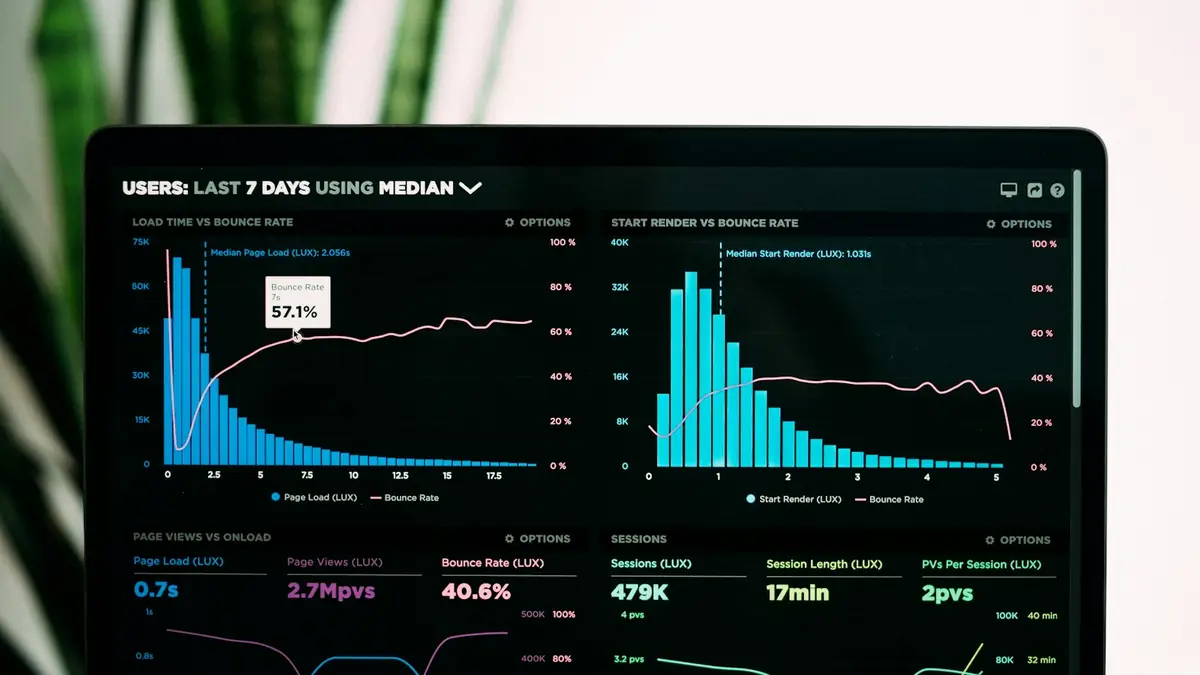
You open Search Console on a Friday morning and the clicks line has a step down. Your first impulse is to rewrite titles, delete pages and blame the agency. Wait: on November 10 a Google core update began, and reacting today is the most expensive thing you can do.
Google launched its November 2026 core update, and the right move is to wait, measure calmly and improve, not to put out fires. Here is how to do it.
What is a core update and when did the November one start?
It is a broad change to Google's ranking systems, and the November 2026 one started on November 10. That is how it appears on the Google Search status dashboard, which as of today shows no end date. The earlier ones on the dashboard were May 2026 (started May 21), March 2026 (March 27) and December 2025 (December 11).
According to Google's documentation, these updates do not target specific sites or individual pages. They aim to improve how the system evaluates helpful and reliable results.
Do I need to do anything if my site did not change?
No: Google says most sites do not need to worry about a core update. Many do not even notice the change. If your clicks and queries stay stable, your job is to keep publishing helpful content and keep the technical side in order.
When should I analyze my traffic?
After at least one full week has passed since the update finished. That is Google's literal recommendation for analyzing in Search Console. Looking earlier only mixes the noise of the rollout with your real data.
When the time comes, the method is simple:
| Step | What you do |
|---|---|
| 1 | You confirm the start and end dates on Google's status dashboard |
| 2 | You wait a full week after it ends |
| 3 | You compare the period afterward with the week before it started |
| 4 | You review top pages and queries |
| 5 | You split by search type: Web, Images, Video, News |
If your Search Console is not up to date, start with this guide: what to do in Search Console and with the sitemap when you launch your website.
What do I do if the drop is small and what if it is big?
If it is small, do not make drastic changes to what already works; if it is large and sustained, evaluate the whole site. That is exactly what Google advises: for a slight drop, do not touch content that performs well, and for a strong drop, do a deep review of helpfulness and reliability, starting with the most affected pages. It also suggests asking for an outside assessment.
Common mistake: reacting with quick fixes, like changing all the titles or deleting pages in bulk. Google asks to avoid fixes that are not meaningful for the user and leaves deleting content as a last resort, only when it cannot be salvaged.
A good review starts from reader questions: does the page answer what it promises? Is it up to date? Does it look trustworthy? For details on what does appear in results, check titles and meta descriptions that Google does show.
How long until a recovery shows?
It can take several months. Google explains that some changes show up in days, but that its systems may need months to confirm that a site consistently produces helpful content. If you see no effect after that time, the improvement may come with the next core update, and Google also makes smaller unannounced adjustments between the big ones. There is no guarantee of results, and rankings fluctuate naturally.
This changes how you plan: a drop in November is not fixed in December with tricks, it is corrected with sustained work. That work includes the technical side, like web speed and Core Web Vitals.

How do I prepare for the next update?
By building helpful, clear content that also works for AI answers. Google explains that the helpful content system became part of its core ranking systems in March 2024, according to its ranking systems guide. That means quality is no longer evaluated separately: it always counts. If you want your brand to also appear in AI answers, see what GEO is and what AI Mode changes.
In short
If that step in your chart appeared this week, do not treat it as an emergency today. Note the start date (November 10), wait for it to end and, a week later, compare calmly. If the drop persists, improve the real usefulness of your pages. If you want us to review your case with data, learn about our SEO and GEO with AI service.
Frequently asked questions
When did the November 2026 core update start?
According to the Google Search status dashboard, on November 10, 2026. The dashboard does not show an end date as of this guide.
How long should I wait before analyzing my traffic?
Google recommends waiting at least a full week after the update finishes before analyzing your site in Search Console.
Does a core update penalize my site?
According to Google, these updates do not target specific sites or individual pages. They are broad changes to its systems to improve results.
Should I delete content if I lost traffic?
Google presents it as a last resort, only for content that cannot be improved. First it makes sense to assess and improve what you already have.
How long does a site take to recover?
Some changes take effect within days, but Google says its systems can take several months to confirm that a site consistently produces helpful content.
Do not stop at the theory: apply it to your business
We implement SEO and GEO with AI end to end, with your real operation. The first conversation is free.